Why Our Family Began Celebrating Hanukkah
As I continued studying the story of the Maccabees, I also began learning about the traditions that developed around Hanukkah.
Over time, additional stories and customs had grown around the celebration, including the well-known tradition about a small amount of oil lasting for eight days. Some historians believe that this part of the story developed later as a traditional explanation.
But the historical core of the celebration—the victory of the Maccabees and the rededication of the temple—remained powerful.
The more I read, the more meaningful it became to me.
This was a story about faithfulness to God.
It was about people refusing to abandon their beliefs even under pressure. It was about cleansing what had been defiled and dedicating it back to the Lord.
And that symbolism spoke deeply to me.
Scripture tells us that today we are the temple of the Holy Spirit. In many ways, the story of rededicating the temple reminded me of the continual process of dedicating our own lives back to God.
So even though Hanukkah is not one of the seven biblical feasts listed in Leviticus, we eventually decided to celebrate it.
At first, we joined the Messianic community in observing it. Later, as we learned more about the history and symbolism behind it, the celebration became even more meaningful for us.
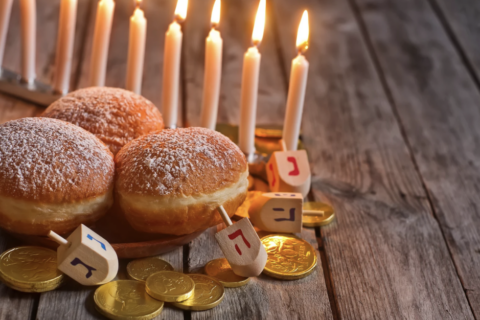
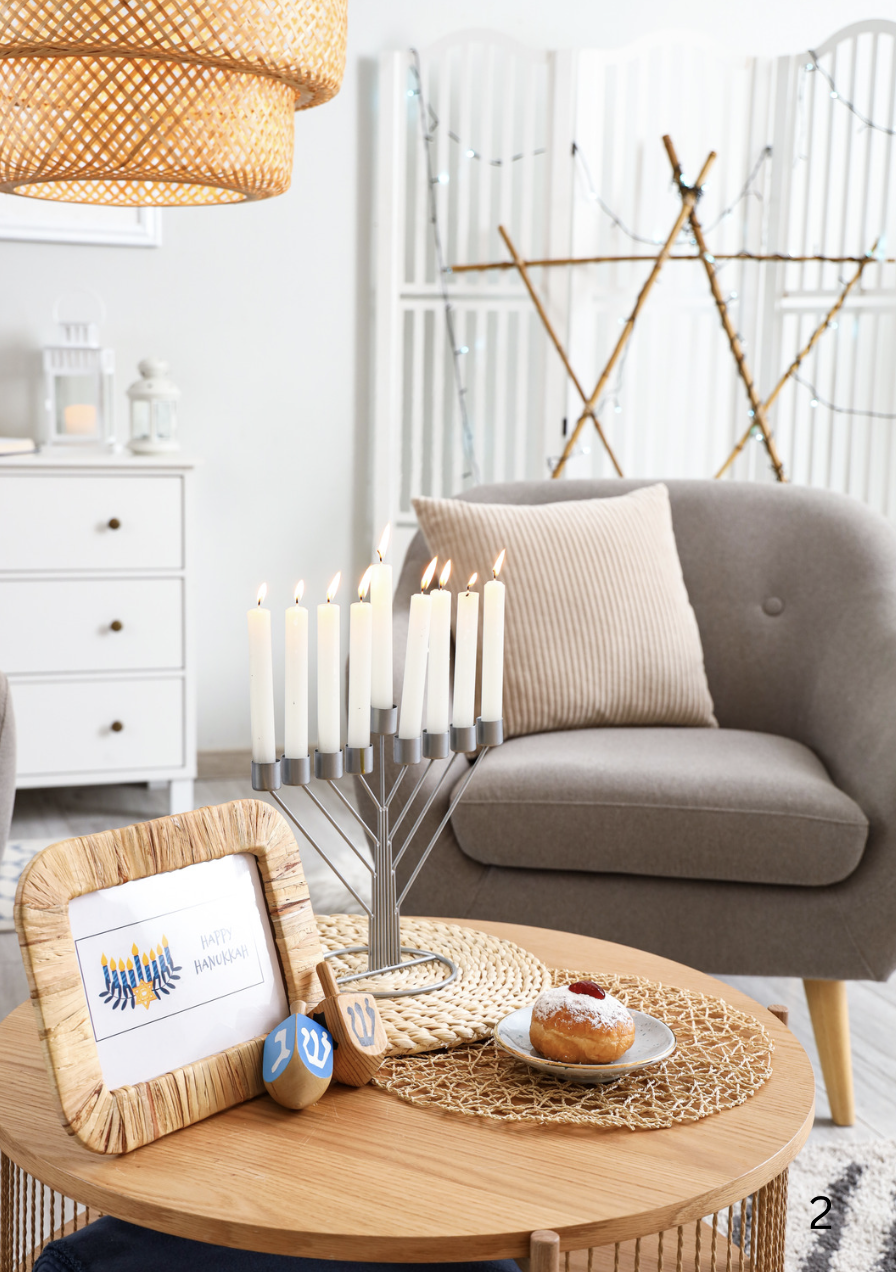
We learned the difference between a menorah and a hanukkiah.
We learned the traditions that families practice.
And we reflected on the deeper spiritual themes behind the story.
In many ways, celebrating Hanukkah felt like discovering a piece of history that had always been there but that we had simply never been taught.
For our family, it became another opportunity to remember how God works through ordinary people who remain faithful to Him.
And it reminded us again that sometimes, when we start asking questions and searching for truth, we discover stories that were there all along—waiting to be rediscovered.
Continue the Journey
➡ Read Next:The Quiet Feast