Why I Created a Feast of Unleavened Bread Devotional
Why I Needed a Guide
Over time, the Feast of Unleavened Bread became one of my favorite feasts—not because it is loud or full of celebration, but because it is quiet and intimate.
For seven days each year, I get to slow down, seek the Lord, listen for His voice, and invite Him to search my heart.
But for many years, even though our family continued observing the feast, we did not have anything structured to guide our personal time of prayer and reflection. There was no set rhythm, written guide, or specific devotional for us to follow during those seven days.
So I started researching.
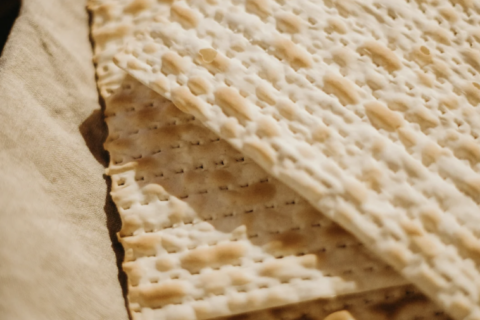
I searched the Old and New Testaments for references to the Feast of Unleavened Bread. Scripture frequently discusses it alongside Passover because the appointed times are closely connected. Exodus 12:15–20 and Leviticus 23:6–8 describe removing leaven, eating unleavened bread for seven days, gathering for sacred assemblies, and refraining from ordinary work on the first and seventh days. The Torah also describes offerings that belonged to Israel’s worship at that time.
Those passages establish the feast’s biblical context, but they do not provide a modern hour-by-hour devotional schedule. Jewish, Christian, and Messianic communities understand and observe these texts in different ways. I was not trying to replace those traditions or prescribe one practice for everyone. I simply wanted a guide that would help me remain intentional during the week.
From Reflection to a Devotional
The simplicity of the feast left room for me to ask deeper questions:
What has slowly entered my life that may not belong?
What habits or influences have shaped me this past year?
What might God be asking me to release?
And perhaps the hardest question of all:
If I truly believe God is calling me to follow Him, what am I willing to leave behind?
As I read the Exodus story, I reflected on the change the Israelites experienced when God delivered them from Egypt. Their story is unique and foundational to Jewish faith and identity. In my own Christian walk, it also prompted me to think about deliverance, trust, and the difficulty of leaving familiar things behind.
As a Christian, I understand Jesus through the Passover imagery used in 1 Corinthians 5:7, where Paul calls Christ “our Passover lamb.” That connection became part of my personal reflection—not a claim that every Jewish, Christian, or Messianic reader must approach the feast in the same way.
So I began creating something simple and personal: a guide that would remind me each year to pray, reflect, and allow God to continue shaping my heart.
That is how my Feast of Unleavened Bread devotional booklet began.
From Unleavened Bread Toward Shavuot
At first, I thought the devotional would simply help me stay focused during one quiet week. But as the feast came to an end, I realized that another biblical rhythm followed.
Leviticus 23:15–16 describes counting seven complete weeks toward the Feast of Weeks, known in Hebrew as Shavuot and in Greek as Pentecost. Jewish and Christian traditions understand the meaning of these observances differently, and communities have also differed in how they interpret the starting point of the count.
For me, these appointed times began to form a personal devotional progression: remembering deliverance, making room for reflection, and then preparing my heart for what God might teach me next.
That progression is my spiritual application, not a replacement for the biblical or Jewish meaning of the feasts. It has simply become a meaningful rhythm in my own walk with God.
What began as seven quiet days grew into a longer journey of prayer, anticipation, and learning—one that continues each year.
Explore the Devotional
➡ Feast of Unleavened Bread Devotional PDF | 7-Day Biblical Feast Guide