The Quiet Feast
There are feasts that are loud and popular.
The ones filled with music, gatherings, decorations, and family coming over. The ones where everyone is together around the table, the kids are running around, and the house is full of laughter.
Those celebrations are beautiful. They carry memories of the people we love. We watch the kids grow up through those holidays, and the pictures we take during those celebrations become moments we can look back on for years.
Those celebrations are wonderful.
But then there are other feasts.
The quiet ones.
The ones that have almost been overshadowed by the louder holidays and celebrations.
For me, the Feast of Unleavened Bread became one of those quiet feasts.
When I first started looking into it, I remember wondering why it was often combined with Passover and spoken of almost as if they were the same thing. In many ways, they are connected, and they are usually celebrated together.
But as I began studying it more closely, I started asking a simple question:
What do you actually do during this feast?
When you look in the Old Testament, the instructions are surprisingly simple.
Remove the yeast from your house.
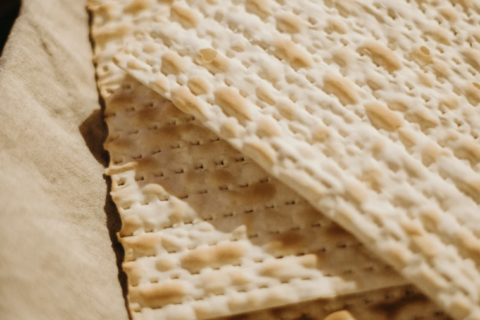
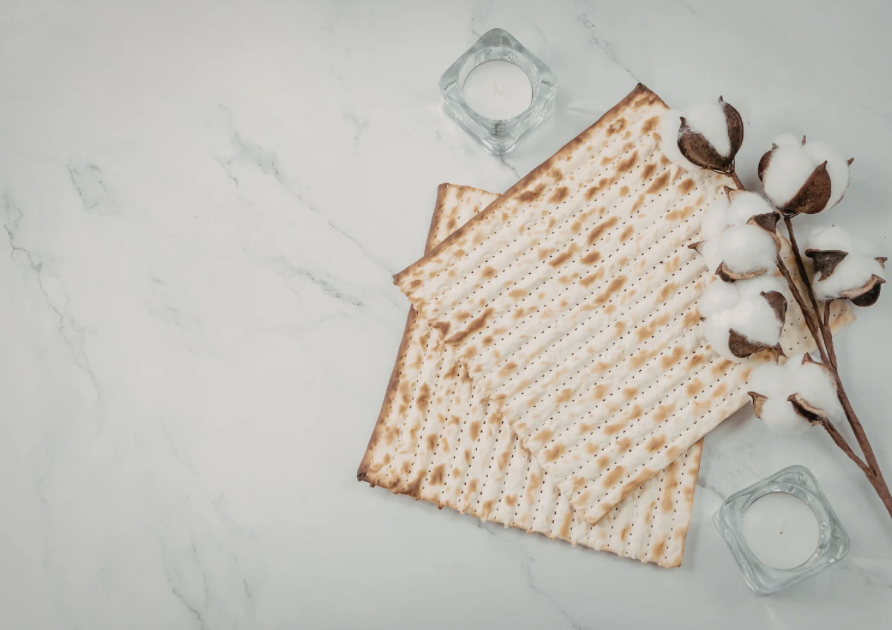
Eat unleavened bread.
And honor the feast for seven days.
That’s really it.
There are no long instructions about how to celebrate it, no elaborate rituals described in detail—just those simple commands.
When we first started honoring this feast, I began to realize something.
This feast is really a feast of the heart.
A time to search your heart and reflect on where you are in your relationship with God.
The feast began when God delivered the Israelites from Egypt. He was bringing them out of the life they had known for generations. They had been enslaved for so long that many things had simply become normal to them—the way they lived, the way they ate, and even the beliefs and practices that surrounded them in Egypt.
They had been shaped and influenced by that environment.
But then God told them, “Follow Me.”
They had a choice. They could have stayed where they were. But instead, they chose to follow God.
And in many ways, what happened next was a complete reset.
God led them into the wilderness and began stripping away many of the things they had been used to. Although it felt unfamiliar and difficult at first, their lives became simpler—much simpler.
It was hard to let go of the past and the things they were used to.
But in that process, God was teaching them something important.
He worked to remove the things that had held them in bondage and began teaching them to depend on Him alone.
He removed many of the things they were used to and showed them that everything they truly needed would come from Him.
And this is something I have noticed about God again and again.
He simplifies things.
Sometimes people think that following God adds all kinds of “have-tos” to life, but often the opposite is true. God works to remove the things we become caught up in—things that drown us, distract us, and slowly place us back into forms of bondage.
He brings us back to what is simple.
The difficult part is often the letting go.
And the Feast of Unleavened Bread reflects that simplicity.
Continue the Journey
➡ Read Next: How This Quiet Feast Became One of My Favorites