Why I Created a Feast of Unleavened Bread Devotional
Over time, the Feast of Unleavened Bread became one of my favorite feasts.
Not because it is loud or full of celebration.
But because it is quiet and intimate.
For seven days each year, I get to slow down, seek the Lord, listen for His voice, and allow Him to search my heart.
But for many years, even though we continued observing the feast, we didn’t have anything structured that guided us through it.
There was no set rhythm. No written guide. No specific reflection to follow during those seven days.
So I started researching.
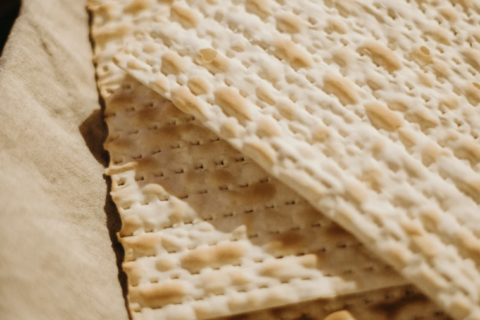
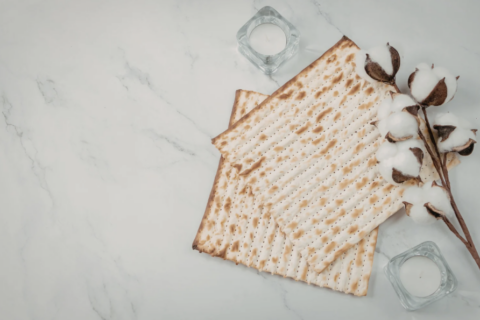
I searched through the Old Testament and the New Testament, looking for examples of how people observed the Feast of Unleavened Bread. While the feast is mentioned many times in Scripture, it is almost always mentioned together with Passover. The Bible tells us to remove the leaven and eat unleavened bread for seven days, but it doesn’t provide a detailed outline for what those days should look like.
What I began to realize was that the simplicity of the feast leaves space for reflection.
But I also knew something about my own heart.
I didn’t want to forget the deeper questions this feast was stirring in me.
Questions like:
What things in my life have slowly crept in that don’t belong?
What habits or influences have shaped me this past year?
What is God asking me to let go of?
And maybe the hardest question of all:
If I truly believe God is calling me to follow Him, what am I willing to leave behind?
In many ways, the Israelites faced that same question when they left Egypt.
God told them to follow Him.
But leaving Egypt meant leaving the life they had known.
It meant change.
And change is never easy.
In the same way, when we say we believe in Jesus — our Passover Lamb — we are also responding to that same invitation:
Follow Me.
But following Him often means walking through a process of change. It means allowing God to reveal the things that have quietly made their way into our lives.
The Feast of Unleavened Bread creates space for that process.
It invites us to pause, reflect, and allow God to search our hearts.
So I decided to create something that would help guide me through those seven days.
Something simple.
Something personal.
Something that would remind me each year to ask those deeper questions and allow God to continue shaping my heart.
That’s when I began putting together my Feast of Unleavened Bread devotional booklet.
At first, I thought it was simply something that would help me stay focused during the week. A small guide to help me pray, reflect, and ask the questions I didn’t want to avoid.
But something else happened.
As the days of the feast came to an end, I realized the journey wasn’t actually finished.
Because after the Feast of Unleavened Bread comes something else.
The counting of the days leading to Shavuot.
In Scripture, this journey continues from Passover, through the Feast of Unleavened Bread, and then forward toward Shavuot — also known as the Feast of Weeks or Pentecost.
It’s almost like a progression.
First comes deliverance.
Then comes the process of removing what doesn’t belong.
And then comes preparation for what God wants to give next.
The Feast of Unleavened Bread became the time where I searched my heart and allowed God to reveal the things He wanted me to remove.
But Shavuot became the time of anticipation.
A time of waiting.
A time of preparing for what God wanted to teach, give, and reveal next.
What began as a quiet week of reflection turned into something much bigger — a journey that continues each year.
And it all begins with something very simple.
Seven quiet days.
Seven days to slow down, search our hearts, and allow God to lead us forward.
Continue the Journey
➡ Read Next: