My First Visit to a Messianic Synagogue (A Christian’s Experience)
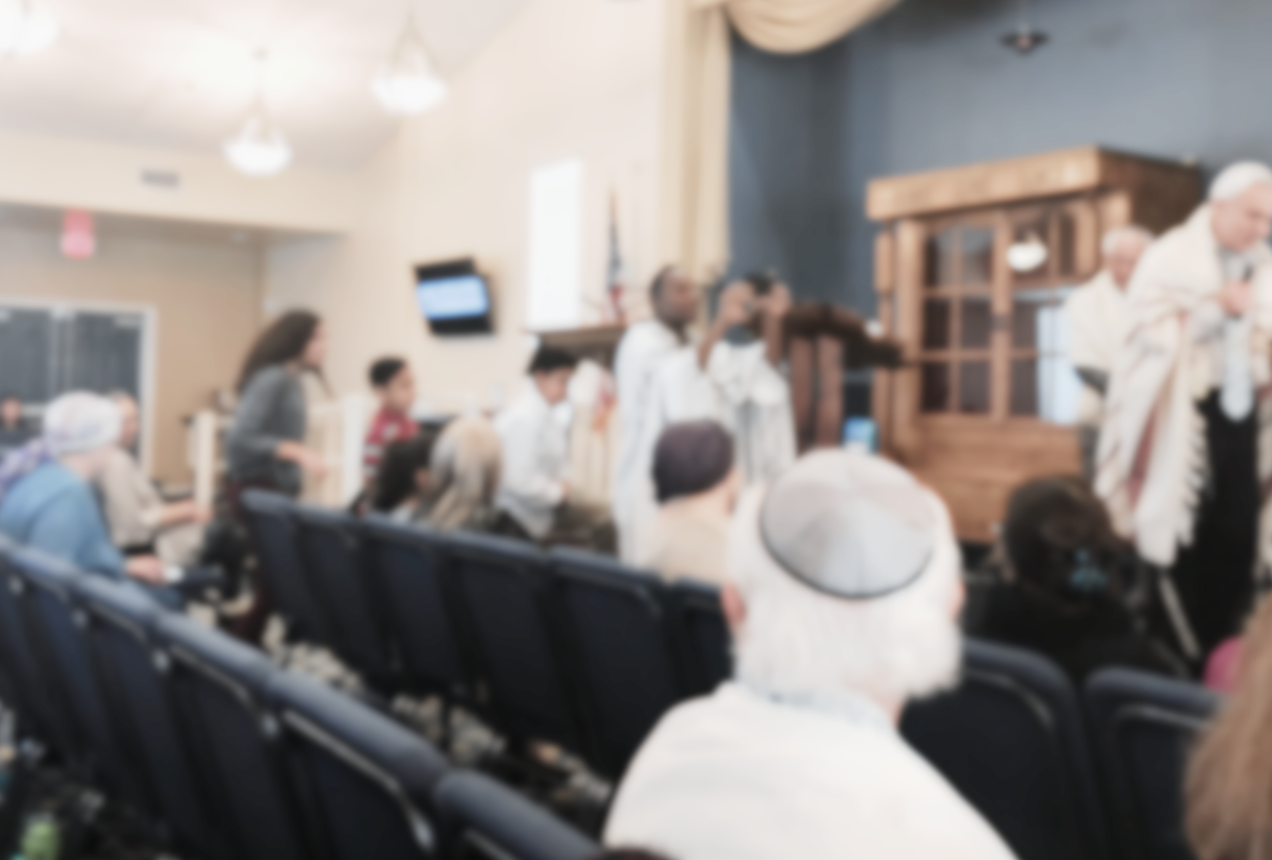
We got ready and went to the synagogue. Some of the men wore what I knew as yarmulkes (pronounced “YAH-muh-kah”), and some of the women had shawls and or head coverings. Not all, but some had a look that reminded me of gypsies—at least to my unfamiliar eyes. It felt very different from anything I had experienced before.
I had actually been to this Messianic congregation years earlier. Back then, I remember the man they referred to as “Rabbi” reading from the book of Maccabees. At the time, I was unsettled. I had learned that the Maccabees weren’t part of the Bible, and I struggled with that. I remember thinking, If it’s not in the Bible, why are they reading it here? I remembered that experience left me closed off, and I didn’t return until now.
This time was different. My husband and I both felt sure that God had led us here. I had to prepare my heart to trust Him and stay open to what He wanted to show me. So even though I didn’t fully understand everything, I chose to observe, to listen, and to receive.
The service started late, which was odd for me. The church I had attended before was always on time, organized, and structured. I prided myself on being part of something structured and polished. This felt a little chaotic, but I reminded myself that I was here to see what God wanted me to see.
They began reading in Hebrew, then translated into English. At one point, they all covered their eyes and recited a prayer together in Hebrew. I didn’t know what it was at the time, but I later learned it was the Shema—a declaration from Deuteronomy 6:4 about the oneness of God. Covering their eyes was a way to block out distractions, focus entirely on God’s unity, and show reverence.
They read from a large scroll—I would come to learn this was the Torah, the first five books of the Bible. As it was lifted, the entire congregation raised their pinky fingers to point toward it. I had never seen this before. I later learned it was a gesture of respect, reverence, and connection to God’s Word.
The Torah was brought out and carried through the congregation. Everyone touched it with their hands, their Bibles, or their shawls—and then kissed what they touched it with. That simple gesture—touching and kissing the Torah—symbolized a personal connection to God’s Word and a desire to honor what it represents: His covenant, His instruction, and His presence among His people. The word Torah felt foreign to me back then, because I had always just called it “the Bible.” But now I was seeing how deeply rooted it all was.
Many of the men wore white prayer shawls called tallits, with knotted fringe on the corners called tzitzits—symbols of God’s commandments. To be completely honest, it was a lot to take in. I remember thinking, What did we get ourselves into? Everything felt so unfamiliar.
But deep in my heart, I knew this was exactly where God had led us.
And that truth—more than anything—kept me grounded.
It was an emotional and spiritual stretch for me in ways I didn’t expect. Even now, thinking back on that first visit still stirs something in me. Why was this so different from everything I had always known about how to serve and worship Him? Why had I never experienced or even been exposed to any of this before? If these were the roots God was drawing us back to, why did they feel so unfamiliar? Were we really that far off from them—and if so, how did we get so far off?
Why were we so disconnected from them? From this? From the very roots of our own faith?
It marked a turning point—the beginning of letting go of control and letting God lead, even when I didn’t fully understand.
So I chose to take it all in—the questions, the curiosity, the wonder. I didn’t rush to judge. I just held everything quietly in my heart and waited to see what God was unfolding.
It was unfamiliar, uncomfortable… and completely God. And sometimes, it’s those very moments that stretch us the most.
Has God ever led you into something that felt overwhelming, but changed you forever?
Continue the Journey